Latest · COP31: progress, but no headline deal
Most of us have heard of a carbon footprint. Your carbon handprint is the other side of it: the good you do.
Cycling to work, talking a neighbour into solar panels, getting your school to recycle properly. It all counts, and no contribution is too small.
Why a handprint?
For years, climate action has been framed around carbon footprints.
The carbon handprint is meant as something more positive, that might bring new people into the environmental movement. A tool to help describe and measure positive contributions for a new generation of environmentalists.
The handprint isn't meant to replace the footprint or excuse it. It's a way of noticing the good things people do, and encouraging more of them.
Since then the idea has been picked up by schools, researchers and some very large companies, including Nokia. The history page has more on that, and our reading list collects the best articles and research on the idea.
Nobody owns the term Carbon Handprint, so please feel free to use it.
Latest from us
- Why telling your MP about climate actually worksWriting to your MP or councillor can feel pointless. The evidence says it isn't, and that how you say it matters as much as what you say.Read more
- Where to start with Carbon HandprintA guide to the handprint idea, practical ideas, and articles.Read more
- Nokia and the handprint of connectivityOne of the first companies to help build the carbon handprint method now puts it at the centre of its strategy.Read more
- Kyoto, Paris, COP: the climate talks explainedA plain guide to the names and numbers that come up whenever world leaders talk about climate change, from Rio and Kyoto to 1.5 °C, NDCs and net zero.Read more
- Is all carbon capture equal?Carbon capture, carbon removal and carbon offsets get talked about as if they were the same thing. They aren't. Here is how to tell a solid claim from a weak one.Read more
In the news
-
ABC News · Emissions fall, but not fast enough to meet climate target Emissions fell 1.3% in the year to June, and renewables hit a record 45.9% of grid power. The government's climate advisers call the gap to the 2035 target formidable.
More on Australia
-
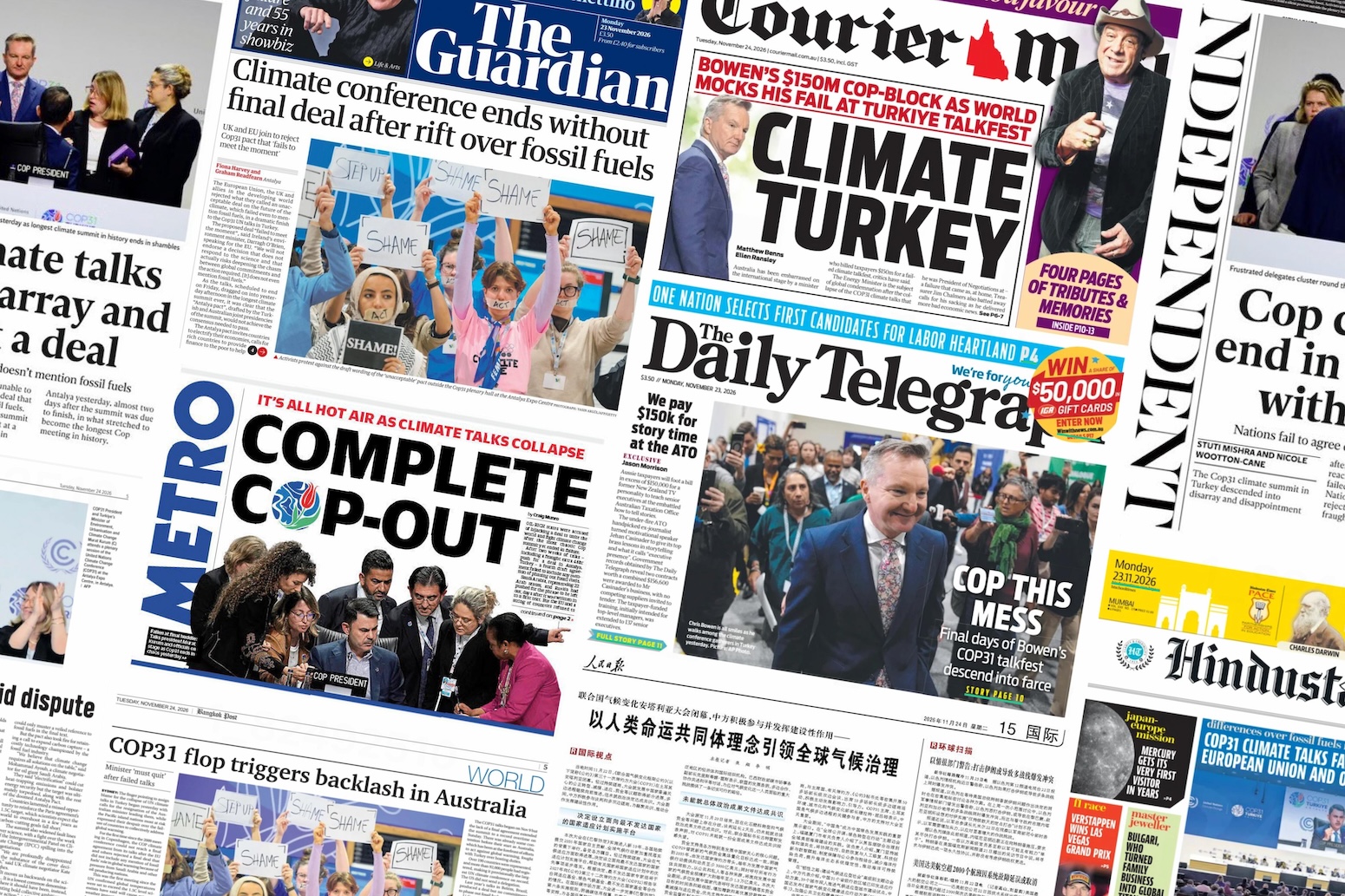 Carbon Brief ·
Media reaction: Who is to blame for COP31 'failure'?
How the world's media saw the collapse, with blame pointed at oil producers, rich countries, the presidency and China.
More on: COP31 · China · United Kingdom
-
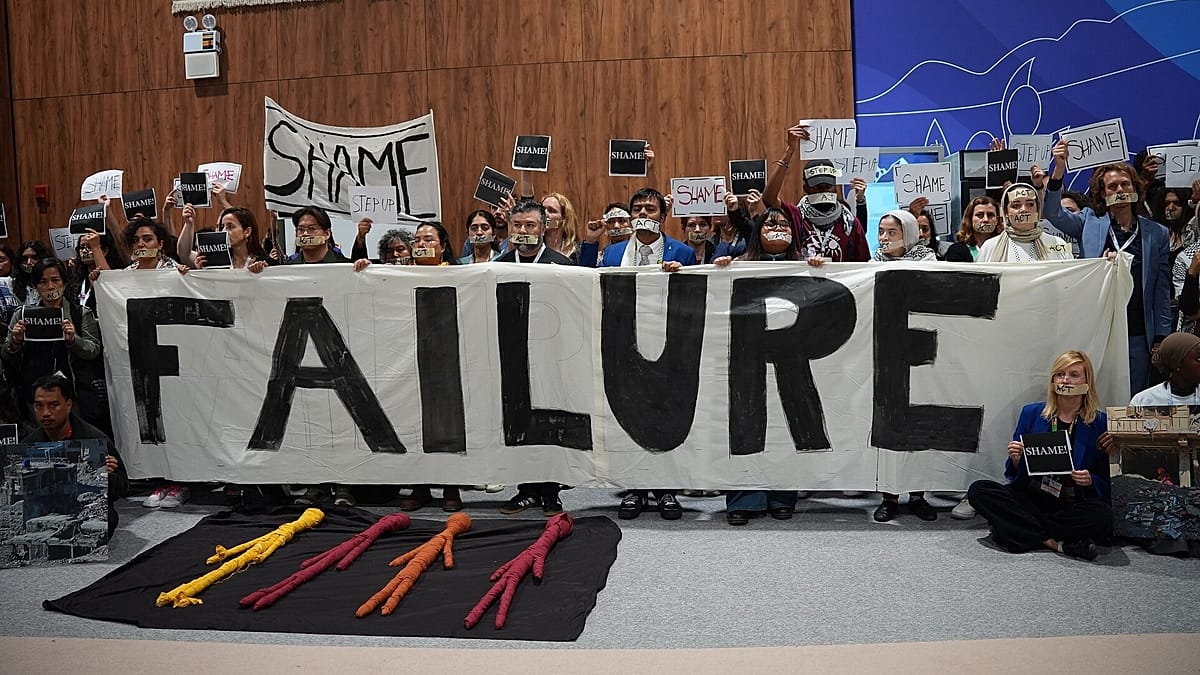 Euronews ·
Is no deal better than a bad deal? Why some see hope in COP31's collapse
The EU, the UK and Pacific island states rejected a pact that left out fossil fuels. Some observers argue that stopped a worse outcome, ahead of COP32 in Ethiopia.
-
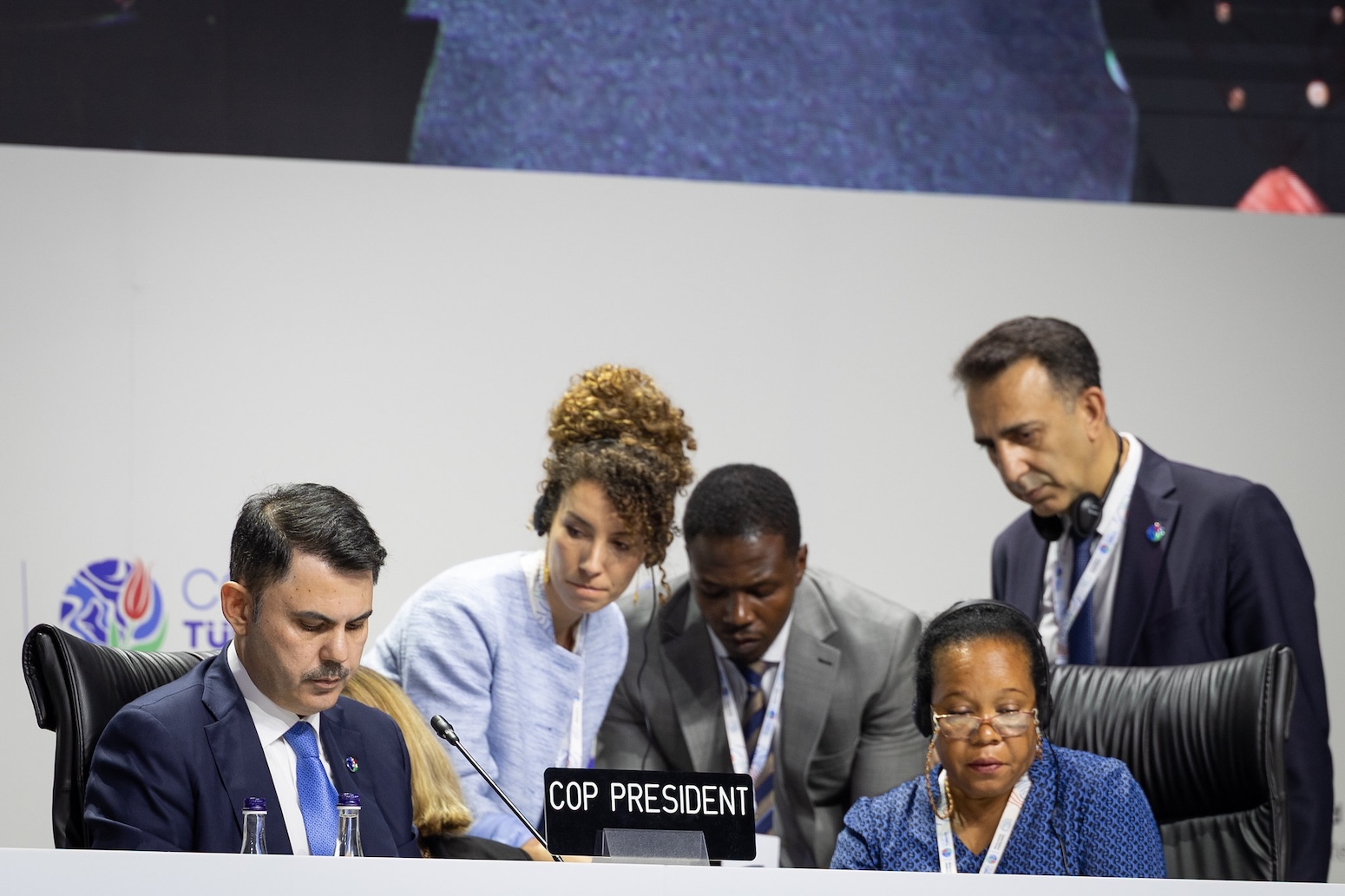 Carbon Brief ·
COP31: Key outcomes agreed at the UN climate talks in Antalya
The presidency's 'Antalya pact' was rejected, lacking clear wording on fossil fuels or more climate finance. A detailed rundown of what was and wasn't adopted.
More on: COP31 · European Union · Saudi Arabia
-
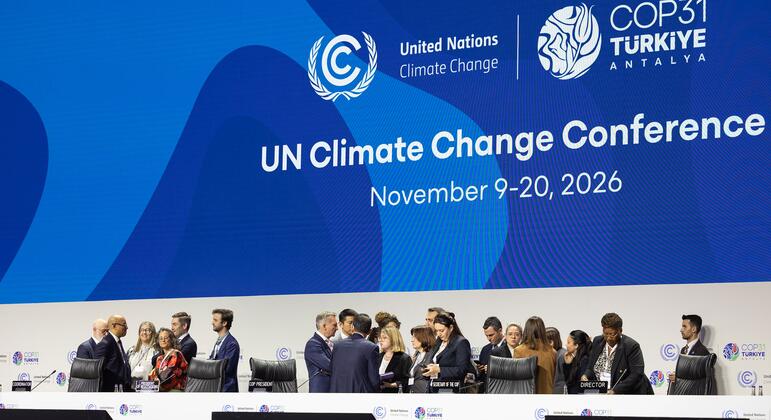 UN News ·
COP31 ends without climate pact as UN chief warns there is 'no ambiguity in the science'
After two days of overtime, the longest UN climate summit on record closed with its main decisions not adopted. António Guterres called the outcome deeply disappointing.
-
In brief · UNFCCC ·
COP31: progress, but no headline deal
The Antalya summit became the longest COP on record. Countries agreed decisions on a just transition, adaptation, finance and carbon markets, and launched the second global stocktake. The presidency's "Antalya pact" was rejected, chiefly because it did not mention fossil fuels.
-
 Euronews ·
Data centre energy demand could double by 2030, IEA warns
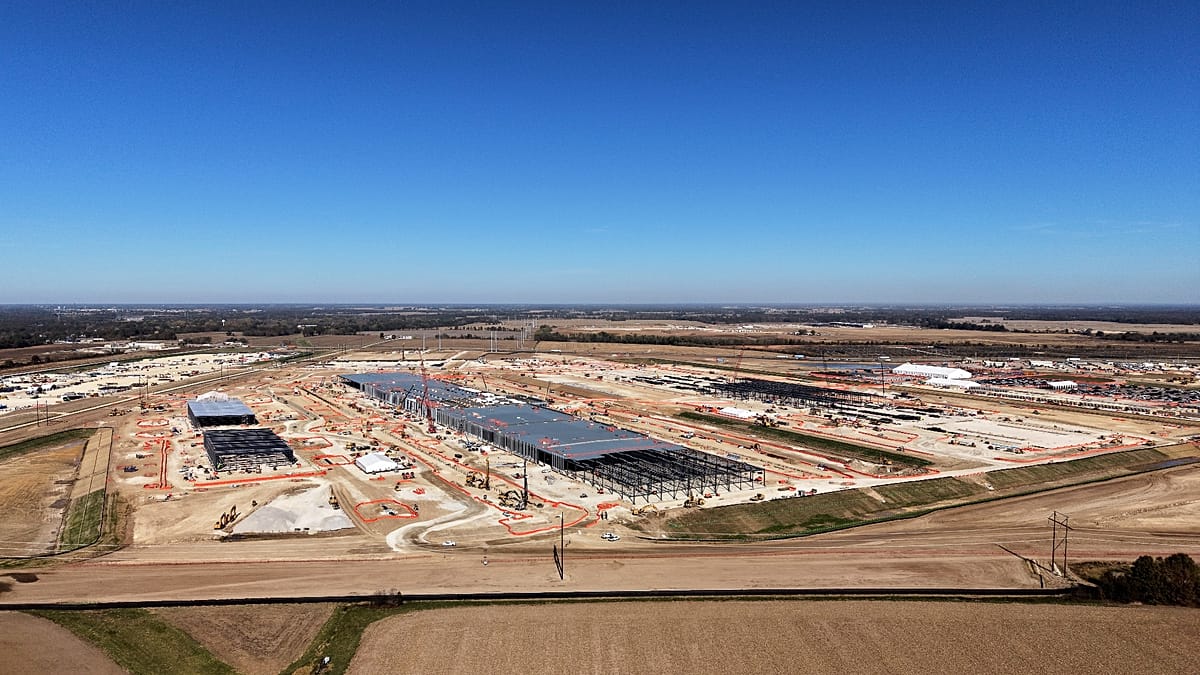
The International Energy Agency expects data centres' electricity use to roughly double by 2030, to about 1,000 TWh a year, straining power grids, with their carbon emissions up 70%.
More on: United States · China · European Union
-
Chatham House ·
What does COP31 reveal about the geopolitics of climate change?
Analysis: with the US outside the Paris Agreement, the EU narrowing its focus and China expanding clean tech exports, few rich countries renewed their climate finance pledges.
More on: COP31 · United States · China
-
 Down To Earth ·
COP31: Ministers urge Türkiye and Australia to advance fossil fuel transition roadmaps
Denmark, Luxembourg, Spain and Portugal published national plans to move off fossil fuels, while South Africa, Indonesia and others said any roadmap must stay voluntary and come with finance.
More on: COP31 · South Africa · Indonesia
-
Associated Press · Study estimates magnitude of US data center pollution as climate talks unveil clean AI pledge A Harvard-led study estimates that 403 US data centres emitted about 25.7 million tonnes of CO2 in a year, roughly as much as Denmark. At COP31, Türkiye and the ITU launched a voluntary pledge on clean power, efficiency, water use and disclosure for data centres.
More on: COP31 · United States · Türkiye
-
 Down To Earth ·
COP31: Developing countries push to turn climate finance commitments into action as talks hit familiar divisions
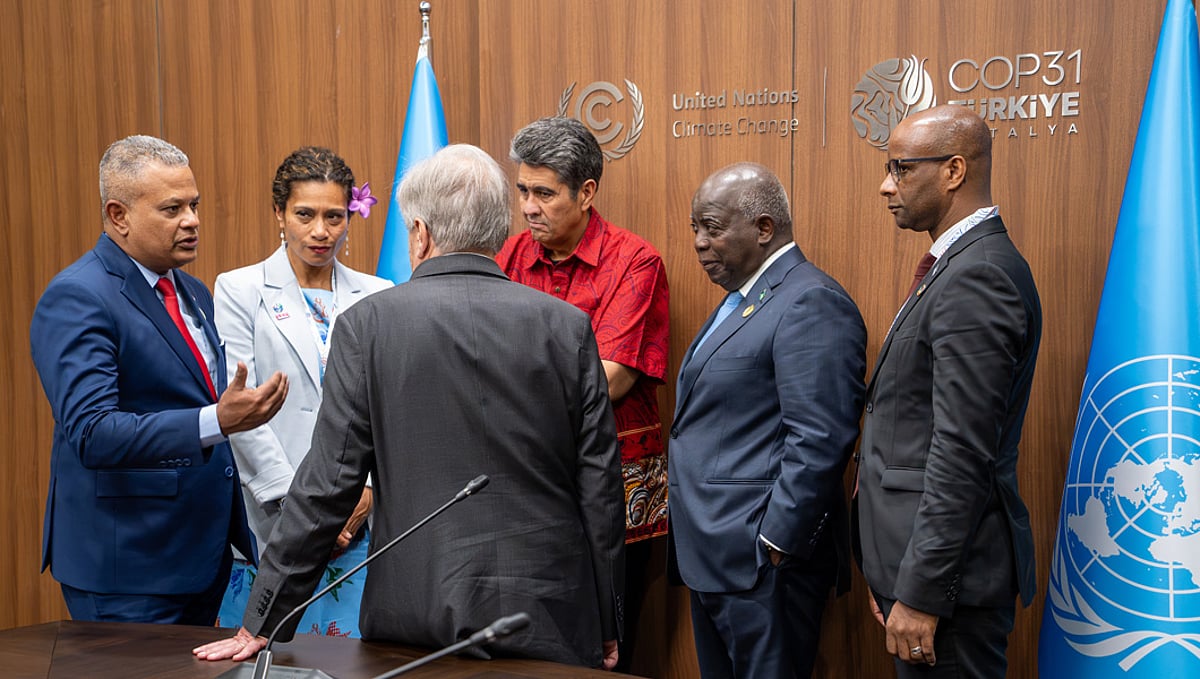
India, speaking for a group of developing countries, pushed for firm outcomes on climate finance, while the EU and others preferred to continue the existing process.
More on: COP31 · India · European Union
-
 TIME ·
Fossil Fuel Emissions Are Expected to Decrease in 2026
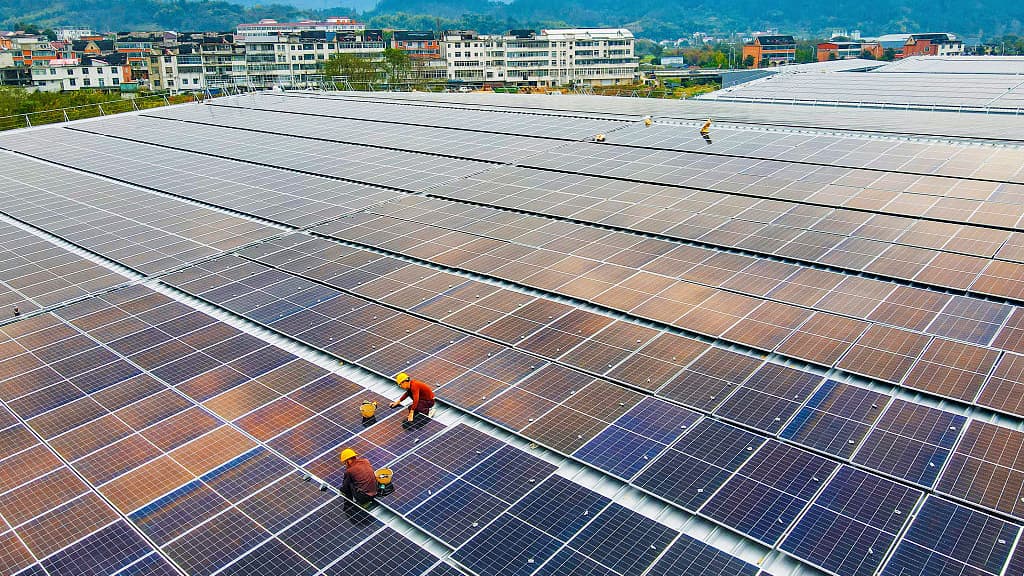
The Global Carbon Project expects fossil emissions to fall 0.4% this year, helped by wind and solar growth. China and the US are set to fall, while India rises 4.4%.
More on: China · United States · India
- World Economic Forum · A quarter of all data centres are now in water-stressed areas. Let's not make it a third Researchers at the Carnegie Institution mapped more than 9,000 data centres and found a quarter are in places with at least one month of water scarcity a year, a share that could reach a third by the 2040s.
-
In brief · UNFCCC ·
The plans don't add up yet
The UN's latest synthesis covers new climate plans from 154 countries, about 71% of global emissions. Together with current policies elsewhere, they point to global emissions about 6% below 2019 levels by 2035. Staying near 1.5 °C needs roughly a 60% cut. Projected warming by 2100 is 2.1 to 3.2 °C.
More on: COP31 · 2035 climate plans (NDCs) due
-
 UN Environment Programme ·
New UNEP report lays out emission cuts needed for return to 1.5°C
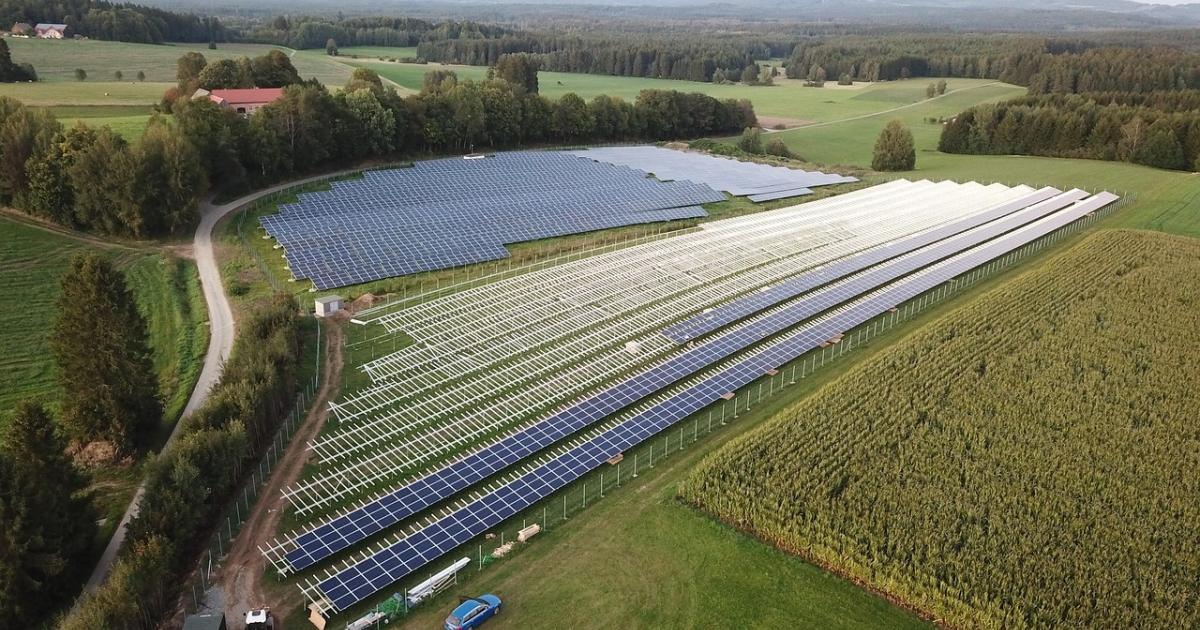
The Emissions Gap Report 2026 says current pledges point to 2.6°C of warming. It also finds renewable capacity has grown three times faster than expected since Paris.
Read more: Where the Paris Agreement stands
-
In brief · European Commission ·
EU proposes an energy rating for data centres
The Commission has proposed a sustainability rating for data centres above 500 kW, covering energy and water use, waste heat and grid flexibility, with the first labels expected in 2027. Data centres are projected to use more than 3% of EU electricity by 2030.
More on European Union